
















How to Clean a Commercial Sauna: Maintenance Guide for Spas & Hotels (2026)
Cleaning a commercial sauna properly is one of the most important responsibilities facing any spa, hotel, gym or wellness facility. A busy commercial sauna can see hundreds, if not thousands, of users passing through its doors every single week, and each one of them will sweat, shed skin cells and leave behind organic matter that, without proper management, creates the perfect conditions for bacteria and mould to thrive.
In Finland, where sauna is a cornerstone of daily life, operators are fastidious about cleanliness. It is simply non-negotiable. Yet here in the UK, we regularly encounter commercial sauna installations where the cleaning regime falls short of what is needed to protect both the timber and the health of users. The result is premature degradation of the sauna room, unpleasant odours, discolouration of the wood and, most critically, a compromised experience for the people using it.
This guide draws on our extensive experience designing, building and servicing commercial saunas across the UK, from elite sports facilities and five-star hotel spas to public wellness clubs and boutique fitness studios. We will walk you through everything you need to know to keep your commercial sauna hygienic, beautiful and performing at its best for years to come.
Why Commercial Sauna Cleaning Matters
The cleaning demands of a commercial sauna are fundamentally different from those of a home sauna. A residential sauna used three or four times a week by a single household accumulates wear at a manageable pace. A commercial sauna in a busy hotel spa or gym, however, may run for 12 to 16 hours a day, seven days a week, hosting dozens or even hundreds of bathers daily.
Every user introduces sweat, body oils, dead skin cells and trace amounts of cosmetics and lotions into the sauna environment. Over time, this organic matter is absorbed by the timber, especially if the wood has not been properly treated. Left unchecked, it leads to staining, discolouration, persistent odours and the breakdown of wood fibres. Beyond aesthetics, there are genuine hygiene concerns: warm, moist timber provides an ideal breeding ground for bacteria, mould and fungal spores.
A robust, consistent cleaning programme protects your investment in the sauna installation, extends the lifespan of the timber and heater components, ensures a hygienic environment that meets health and safety expectations, and maintains the kind of premium experience your customers expect.

Daily Cleaning: The Foundation of Commercial Sauna Hygiene
Daily cleaning is the single most impactful habit you can establish for your commercial sauna. It need not take long; 15 to 20 minutes at the end of each operating day is typically sufficient, but it must be done consistently and thoroughly.
Wipe Down All Bench Surfaces
At the close of each day’s operation, all bench surfaces, backrests and the step should be wiped down with a damp cloth. Pay particular attention to the areas where users sit and recline, as these collect the highest concentration of sweat and body oils. Ensure you clean the underside of all benches as well, as this is a commonly overlooked area where moisture and debris accumulate unseen.
Clean the Floor
We always recommend specifying a tiled or porcelain floor with an anti-slip rating of at least R13 in commercial sauna installations, along with a floor drain. This makes daily cleaning far simpler, as all debris can be swept or scrubbed onto the floor and washed away down the drain. If your sauna has a timber floor, it will require more diligent attention and more frequent treatment to prevent moisture damage.
Ventilate and Dry the Room
After cleaning, leave the sauna door slightly ajar and, if possible, turn the heater on at a low setting for 20 to 30 minutes. This accelerates the drying process and is essential for preventing moisture from sitting in the wood overnight. Proper ventilation is critical to the longevity of any commercial sauna; if your ventilation system is underperforming, moisture will remain trapped in the timber, and the room will deteriorate far faster than it should. For more on this topic, see our guidance on sauna ventilation.
Empty and Rinse Buckets and Ladles
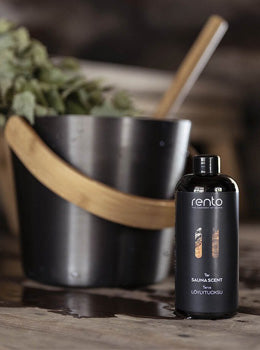
All sauna buckets and ladles should be emptied, rinsed and stored upside down or hung to dry after each day’s use. Standing water left overnight in buckets can harbour bacteria and develop unpleasant odours.
Weekly Cleaning: A Deeper Routine
In addition to daily maintenance, a more thorough weekly clean should be built into your schedule. This involves scrubbing down all timber surfaces and conducting a more detailed inspection of the sauna room.
Scrub All Timber Surfaces
In Finland, commercial sauna operators use a specialist sauna cleaning solution (often referred to simply as “sauna clean”) diluted with water, applied to all timber surfaces using a medium-stiff brush. This approach is highly effective and is the method we recommend for all of our commercial clients.
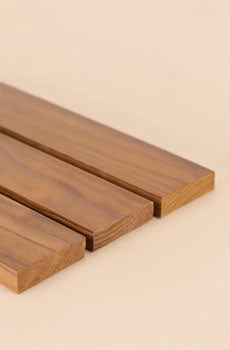
You can be considerably more robust with the brush than you might expect. Sauna timber, particularly heat-treated species such as thermo alder or thermo aspen, is remarkably resilient and will not be damaged by firm scrubbing with an appropriate brush. Focus on the benches (top and underside), backrests, the step, and any areas of wall cladding within arm’s reach of where users sit.
Avoid using bleach, harsh chemical detergents or abrasive cleaners. These can damage the wood fibres, strip protective treatments and leave chemical residues that become unpleasant when heated. Purpose-made sauna cleaning products, or a mild solution of water and a small amount of pH-neutral soap, are all that is required. You can find suitable products in our sauna cleaning and wood treatment range.
Rinse Thoroughly
After scrubbing, rinse all surfaces thoroughly with clean water. In commercial installations with a tiled floor and drain, a low-pressure hose is ideal for this. Ensure all soap and cleaning solution residue is completely removed, as any remnants will become noticeable when the heater is next switched on.
Dry the Room Completely
Once rinsed, turn on the heater and leave the door ajar to dry the sauna thoroughly. Never leave a commercial sauna wet and closed overnight, as this is the fastest route to mould growth and timber degradation.
Inspect the Sauna Door and Glass
Check the sauna door seal, hinges and glass for any signs of damage, mineral build-up or discolouration. Glass doors should be cleaned with a non-abrasive glass cleaner to maintain their clarity and the bright, inviting appearance they bring to the sauna.
Monthly Maintenance Tasks
Beyond daily and weekly routines, several tasks should be performed on a monthly cycle to keep the sauna in peak condition.
Inspect Sauna Stones
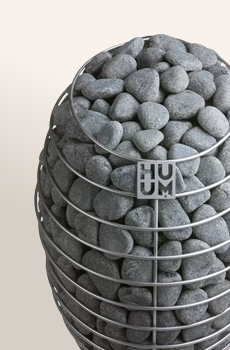
The sauna stones in a commercial heater are under far greater stress than those in a residential unit. With the heater running for extended periods daily and water being poured over the stones continuously, degradation occurs more rapidly. Once a month, check the stones for visible signs of wear: cracking, crumbling, discolouration (from dark grey to lighter grey, rusty brown, white or green), or a noticeable reduction in the quality of the löyly (steam).
Gently rearrange the stones to ensure proper airflow through the heater and between the heating elements. Remove any fragments or dust that have accumulated at the base. For a comprehensive guide on stone care and replacement, see our article on sauna stones and maintenance.

Check the Heater and Control Unit
Visually inspect the sauna heater for any signs of corrosion, damage to elements or loose connections. Check that the control unit and thermostat are reading accurately and responding correctly. In high-traffic commercial environments, we strongly recommend using commercial-grade heaters such as the Narvi Ultra range, which are built with market-leading stainless steel thicknesses specifically designed to withstand the demands of continuous daily operation.

Inspect Ventilation
Ensure all intake and exhaust vents are clear and unobstructed. Poor ventilation is one of the most common causes of premature timber deterioration in commercial saunas. The supply vent (typically located near the heater at low level) and exhaust vents (one at head height and one below the benches) should all be checked for blockages, dust build-up or damage.
Check Lighting
Inspect all sauna lighting fixtures for proper operation. Ensure all fittings remain fully sealed and vapour-proof, as the heat and humidity of a commercial sauna will quickly compromise any fixture with a broken seal.

Bi-Annual and Annual Servicing
For any commercial sauna with regular daily use, we recommend a comprehensive professional service at least twice a year. In high-traffic facilities, such as large hotel spas, public wellness centres and gym chains, quarterly servicing may be more appropriate. These deeper interventions go beyond what daily and weekly cleaning can achieve and are essential for maintaining the sauna’s long-term performance and appearance.
Sanding and Refinishing the Timber
Over time, even well-maintained timber will develop surface staining, greying or roughness from the constant cycle of heating, moisture and use. A bi-annual professional service should include lightly sanding back all bench surfaces, backrests, the step and any accessible wall cladding to reveal fresh, clean wood beneath. This restores the sauna’s appearance and removes any accumulated staining that cleaning alone cannot shift.
After sanding, a protective barrier treatment should be applied. At Finnmark, we use paraffin oil for this purpose, a highly stable white mineral oil that is the main constituent in baby oil and massage oil. It is dermatologically tested, entirely skin-safe and acts as a superb protective barrier. Once applied (after the sauna has fully dried and all humidity has evaporated), the oil prevents sweat, dirt and body oils from penetrating and becoming ingrained in the timber. It will darken the wood slightly, but this is entirely normal and attractive. Crucially, it means the timber will require significantly less sanding over its lifetime, as contaminants sit on the surface rather than soaking into the wood fibres.
Many cheap sauna cabins sold to the commercial market in the UK arrive completely untreated, leaving the timber immediately vulnerable. At Finnmark, we treat both sides of the wood in all of our bespoke commercial installations to seal it thoroughly and ensure maximum durability from day one. This is one of the many details that separates a properly specified commercial sauna from a budget installation that will need replacing in a fraction of the time.
Full Stone Replacement
In a commercial environment with daily use, sauna stones should be fully replaced at least once a year, and more frequently if the sauna is in particularly heavy use or if water is poured over the stones very regularly. Degraded stones restrict airflow through the heater, reduce the quality of the löyly, increase energy consumption and can even damage the heating elements. Fresh, high-quality stones such as Finnish Olivine Diabase or Vulcanite restore the heater’s performance immediately.
Professional Heater Inspection
A qualified technician should inspect all electrical connections, elements and safety components of the commercial sauna heater and control system. For wood-burning commercial heaters, the chimney, flue system and firebox should be inspected and cleaned by a suitably qualified engineer.
Steam Cleaning
For heavily used commercial saunas, professional steam cleaning of all timber surfaces is an effective way to deep-clean the wood without the need for aggressive chemical treatments. Steam cleaning penetrates the surface of the timber to lift out embedded dirt, sweat residue, and bacteria that scrubbing alone may not fully remove. This should be carried out by an experienced operator to avoid over-wetting the timber.
Protecting Your Timber from Chlorine Damage
This is a point of particular importance for commercial saunas located adjacent to swimming pools, which is one of the most common configurations in UK hotels, leisure centres and health clubs. Chlorinated water is extremely aggressive to sauna timber, especially at elevated temperatures. When chlorinated pool water is carried into the sauna on users’ skin, feet and swimwear, it attacks the wood fibres and can cause them to soften, swell and eventually disintegrate.
The best defences against chlorine damage are enforcing a pre-sauna shower policy (ideally with signage clearly displayed), requiring users to sit on towels at all times, selecting timber species with superior moisture resistance, such as thermo-treated timber for the installation, and maintaining a consistent protective oil treatment as outlined above. If you are in the process of specifying a new commercial sauna adjacent to a pool environment, this is a critical consideration that should influence your choice of materials from the outset. Our team can advise on the best specification for your setting, so contact us for a free consultation.
The Role of Towels and Seat Covers in Commercial Saunas
One of the simplest and most effective measures you can implement in a commercial sauna is a clear policy requiring all users to sit on a towel or disposable seat cover. This is standard practice across Finland and throughout Scandinavian and Central European sauna culture, and for good reason: the towel or cover absorbs the vast majority of sweat before it can soak into the bench timber.
In a commercial setting with high footfall, this single practice dramatically reduces the rate at which organic matter accumulates in the wood, extends the intervals between sanding, reduces odour build-up and contributes to a more hygienic environment for all users. Clear signage, a supply of disposable seat covers and a visible commitment to cleanliness all reinforce this standard and signal to your customers that you take their sauna experience seriously.

Finnmark’s Commercial Servicing Packages
At Finnmark Sauna, we offer a range of professional servicing and maintenance contracts designed specifically for the demands of commercial sauna operation. Our service tiers are structured to match the intensity of use across different facility types:
-
Bronze and Silver packages are designed for residential installations and lighter commercial use, covering routine inspection, cleaning and stone replacement.
-
Gold and Platinum packages are tailored for commercial installations with heavy daily use, including hotels, spas, public wellness facilities and gym chains. These include comprehensive bi-annual or quarterly servicing visits encompassing timber sanding and treatment, full stone replacement, heater and element inspection, ventilation checks and detailed condition reporting.
If you are operating a commercial sauna and do not currently have a servicing agreement in place, we would strongly encourage you to get in touch to discuss your requirements. Preventative maintenance is invariably more cost-effective than reactive repairs, and a well-maintained sauna will deliver a significantly better experience for your customers while lasting far longer.
Commercial Sauna Cleaning Schedule at a Glance
For facility managers and operations teams, the following schedule provides a practical framework. Adjust frequencies upward for facilities with particularly high footfall.
Daily: wipe all benches (including undersides), clean floors, empty and rinse buckets and ladles, ventilate and dry the room.
Weekly: scrub all timber surfaces with sauna cleaner and a medium-stiff brush, rinse thoroughly, dry completely, clean door glass, inspect for visible damage.
Monthly: inspect and rearrange sauna stones, check heater and control unit, inspect ventilation, check lighting.
Bi-annually (or quarterly for heavy use): professional servicing; sand and treat timber, replace sauna stones, inspect all heater components and electrics, steam clean, full ventilation service, and detailed condition report.
Frequently Asked Questions
How often should a commercial sauna be cleaned?
Daily cleaning is essential for any commercial sauna. All bench surfaces, floors and accessories should be wiped down and the room ventilated at the close of each operating day. A more thorough weekly scrub with a specialist sauna cleaner is also required, with professional deep servicing carried out at least twice a year.
What cleaning products should I use on sauna wood?
Use a purpose-made sauna cleaning solution diluted with water, or a mild pH-neutral soap. Avoid bleach, harsh chemical detergents and abrasive cleaners, as these can damage the timber and leave residues that become unpleasant when heated. Suitable products are available in our sauna cleaning range.
How often should sauna stones be replaced in a commercial setting?
In a commercial sauna with daily use, stones should be fully replaced at least once a year. Stones should be inspected monthly and rearranged to maintain proper airflow. Signs that replacement is needed include visible cracking, crumbling, colour changes or a noticeable decline in steam quality. See our full guide on sauna stone maintenance.
How do I protect sauna wood from chlorine damage?
Chlorinated pool water is highly aggressive to sauna timber. Protect your wood by enforcing a pre-sauna shower policy, requiring towel or seat cover use, specifying chlorine-resistant timber species such as thermo-treated alder and maintaining a regular paraffin oil barrier treatment on all exposed surfaces.
What is the best wood treatment for a commercial sauna?
We recommend paraffin oil, a highly stable white mineral oil that is dermatologically safe and acts as an excellent protective barrier. Applied to dry timber after the sauna has cooled and humidity has evaporated, it prevents sweat and dirt from penetrating the wood, reduces the frequency of sanding and extends the timber’s lifespan significantly.
Can I use a pressure washer to clean a commercial sauna?
No. High-pressure water can damage timber fibres, force moisture deep into the wood and compromise protective treatments. Use a low-pressure hose for rinsing after scrubbing. For deep cleaning beyond what scrubbing achieves, professional steam cleaning is a far more appropriate option for the sauna environment.
How long does a commercial sauna last with proper maintenance?
A well-specified and properly maintained commercial sauna can last 15 to 20 years or more before requiring significant refurbishment. The timber benches are typically the first components to need attention, and with regular sanding and treatment, these can be maintained for many years. The heater lifespan depends on the quality of the unit and the intensity of use, and commercial-grade Finnish heaters will significantly outlast budget alternatives.
Does Finnmark offer commercial sauna servicing?
Yes. We offer structured servicing and maintenance contracts for commercial installations across the UK, from routine maintenance through to comprehensive quarterly servicing packages. We also design and install bespoke commercial saunas for spas, hotels, gyms and wellness facilities. Contact our team to discuss your requirements.
Need Help with Your Commercial Sauna?
Whether you are maintaining an existing installation or planning a new commercial sauna project, Finnmark Sauna is here to help. As the UK’s leading specialists in authentic Finnish sauna design, we have installed and serviced commercial saunas for some of the most demanding facilities in the country, from the training ground at Tottenham Hotspur to floating public saunas, luxury hotel spas and large-scale urban wellness clubs. You can explore our commercial sauna case studies to see examples of our work.
For free expert advice on sauna cleaning, maintenance, servicing contracts or commercial sauna specification, get in touch or call us on +44 (0)20 8050 2895.


