












How to Sauna (properly!)... by Finnmark Sauna
Many of our customers ask us the same question: “Is there a proper way to sauna?” The short answer is yes, and it makes an extraordinary difference to your experience.
In Finland, sauna is not a luxury or an afterthought. It is a deeply embedded part of daily life, practised by virtually the entire population across more than three million saunas for a country of just 5.5 million people. The Finnish sauna ritual has been refined over thousands of years and was inscribed on the UNESCO Representative List of the Intangible Cultural Heritage of Humanity in 2020, recognising its significance as a living tradition.
Here at Finnmark Sauna, as the UK’s first Sauna from Finland certified retailer, it is our mission to educate people about authentic Finnish sauna culture. Many of the Finnish sauna specialists we work with will openly refuse to enter a typical ‘British’ sauna, citing poor ventilation, heaters without sauna stones, restrictions on pouring water over the stones and a general lack of sauna ritual as their reasons.
This guide is our answer to that problem. Whether you are a complete beginner stepping into a sauna for the first time or a seasoned enthusiast looking to refine your practice, the principles below will help you experience sauna the way it was always intended to be enjoyed.
What Is a Traditional Finnish Sauna?
Before we discuss how to sauna, it is worth understanding what a traditional Finnish sauna actually is, because the experience differs considerably from the dry, static heat rooms found in many UK gyms and health clubs.
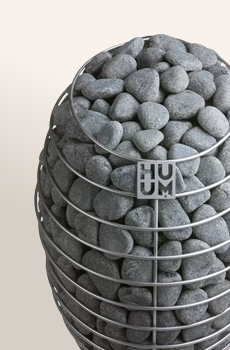
A traditional Finnish sauna is a wood-lined room heated by either an electric sauna heater or a wood-burning sauna stove. The heater is loaded with high-quality sauna stones, which absorb and radiate heat throughout the room. Crucially, water is poured over these hot stones to create bursts of soft, humid steam known in Finnish as löyly (pronounced “lur-lu”). This steam is the heart of an authentic sauna experience and is what distinguishes a proper Finnish sauna from the dry, often underwhelming heat rooms commonly found elsewhere.
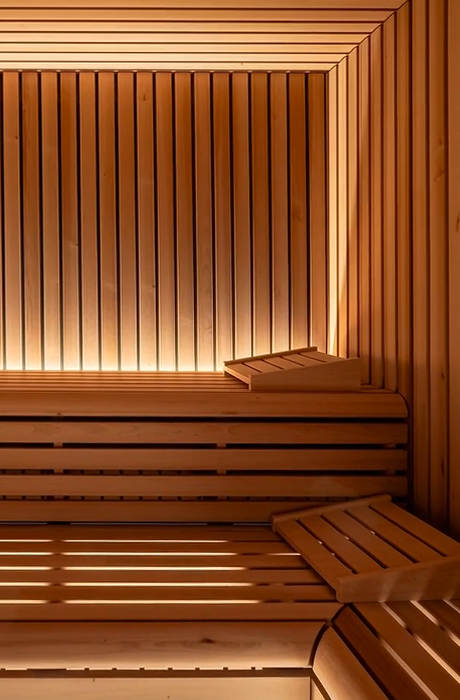
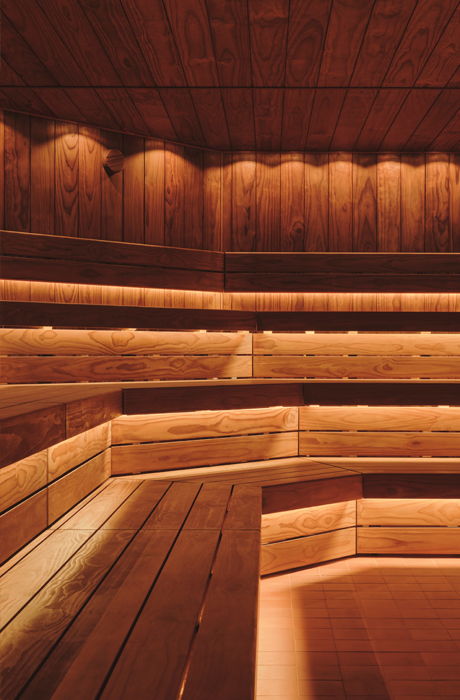
The sauna room itself is typically lined with untreated sauna timber such as alder, aspen or spruce, chosen for their low thermal conductivity (they will not burn your skin), pleasant aroma and moisture-resistant properties. Benches are arranged in tiers, with the upper bench being the hottest position and the lower bench offering a milder experience. If you are considering building or buying your own sauna, our Home Sauna Buying Guide covers everything you need to know.
How to Prepare for Your Sauna Session
Proper preparation is the foundation of a rewarding sauna experience. A few simple steps before you enter will ensure your body is ready to benefit fully from the heat.
Hydrate Well in Advance
Sauna bathing will cause you to sweat considerably. During a typical session, you can lose up to a pint of fluid through perspiration alone. Begin hydrating at least 30 to 60 minutes before your session by drinking two to three glasses of water. Avoid alcohol entirely before and during your sauna, as it accelerates dehydration and places unnecessary strain on your cardiovascular system.
Time Your Meals
Avoid eating a heavy meal within two to three hours of your sauna session. Digesting a large meal while your body is under heat stress can cause nausea and discomfort. A light snack is perfectly fine, but your sauna will be far more enjoyable on a relatively settled stomach.
Shower Before Entering
Always take a thorough warm shower before stepping into the sauna. This serves two purposes: it removes oils, lotions, deodorants and surface dirt from your skin, and it begins to open your pores in preparation for sweating. In Finnish sauna culture, entering a sauna without showering first is considered poor etiquette. For a deeper look at sauna customs, see our Sauna Etiquette Guide.
Gather Your Essentials
You will need at least two towels, one to sit on inside the sauna (essential for both hygiene and comfort, as the benches become very hot) and one for drying off afterwards. A sauna bucket and ladle should be filled and placed beside the heater to create löyly. Many sauna enthusiasts also like to bring a sauna hat to protect the head from the most intense heat at the upper bench level, along with a bottle of water to sip between rounds.
Remove all jewellery, watches and electronic devices before entering. Metal heats rapidly in sauna temperatures and can cause burns, while the humidity and heat will almost certainly damage phones, smartwatches and fitness trackers.
The Finnish Sauna Ritual: A Step-by-Step Guide
The authentic Finnish sauna experience follows a rhythm of heating, cooling and resting, repeated across multiple rounds. This cyclical approach is what delivers the full spectrum of sauna health benefits, from improved cardiovascular function and stress relief to better sleep and muscle recovery.
Step 1: Heat Your Sauna
If you are using your own home sauna, switch on the heater and allow 30 to 45 minutes for the room and stones to reach the desired temperature. A traditional Finnish sauna typically operates between 70°C and 100°C, with most Finns preferring a temperature in the range of 80°C to 90°C. Use a sauna thermometer to monitor both temperature and humidity levels.
If you are using a wood-burning sauna heater, light your fire well in advance, as these stoves take longer to reach temperature but reward you with a uniquely soft and layered heat that many purists consider the finest sauna experience available. Our guide on electric vs wood-burning sauna heaters explores the differences in detail.
Step 2: Enter and Acclimatise (Round One)
Enter the sauna calmly and take a seat. If you are a beginner, start on the lower bench where the temperature is milder, and allow your body to acclimatise gradually. More experienced bathers may head straight to the upper bench.
Your first round should be a period of dry acclimatisation. Sit quietly, breathe steadily and allow the heat to penetrate your body. Within a few minutes, you will begin to perspire as your core temperature rises and your blood vessels dilate. This first round typically lasts between 8 and 15 minutes, though you should always listen to your body — if you feel uncomfortable at any point, step out. There is no virtue in enduring discomfort. The sauna should feel challenging but never distressing.
Step 3: Create Löyly
Once you are comfortably warm, it is time to introduce löyly. Using a sauna ladle, gently pour a small amount of water over the hot sauna stones. The water will instantly vaporise, producing a wave of soft, humid steam that dramatically intensifies the sensation of heat on your skin.
Start with a modest amount of water, one or two ladlefuls, and gauge the effect before adding more. The steam will feel hottest at the upper bench level and will settle within 30 to 60 seconds. This is the defining moment of Finnish sauna culture and the reason why high-quality, properly maintained sauna stones are so important to the experience. Degraded or poorly arranged stones will produce weak, unsatisfying löyly. For guidance on stone care, see our article on sauna stones and maintenance.
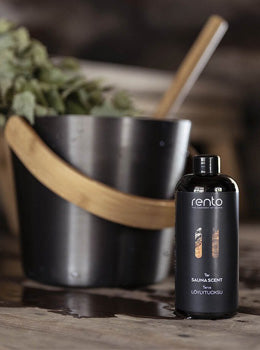
If you wish to add fragrance to your steam, a few drops of natural sauna scent, such as birch, eucalyptus or pine, can be mixed into your water bucket. This enhances the sensory experience beautifully without overwhelming the sauna.
Step 4: Use a Vihta (Optional)
A vihta (or vasta, depending on the region of Finland) is a bundle of fresh birch branches used to gently beat the skin during the sauna session. This centuries-old tradition improves circulation, exfoliates the skin and releases the pleasant fragrance of birch leaves into the steam. Dip the vihta in warm water to soften it before use, and apply it to your skin in gentle, rhythmic strokes.
Step 5: Cool Down
After 10 to 20 minutes of heat exposure (or whenever you feel ready), exit the sauna and cool your body down. This is not an optional extra; the cooling phase is an integral part of the sauna ritual and essential for reaping its full benefits. The contrast between intense heat and rapid cooling triggers a powerful physiological response, stimulating circulation and promoting the release of endorphins.
Finnish tradition offers several cooling methods, and the right choice depends on what is available to you and your personal preference. These range from the most invigorating to the most gentle:
-
Cold water immersion: A plunge pool, cold lake or even a cold plunge tub provides the most dramatic contrast and the most intense rush of endorphins.
-
Cold shower: Highly effective and accessible. Begin with your extremities and gradually work towards your core.
-
Fresh air: Simply stepping outside into cool air, particularly on a crisp evening, provides a gentle and deeply satisfying cooldown.
Whichever method you choose, take your time and allow your heart rate and breathing to return to normal before proceeding.
Step 6: Rest and Rehydrate
After cooling, find a comfortable place to sit or lie down and rest for 10 to 15 minutes. This rest period allows your body temperature and cardiovascular system to stabilise fully. Drink water steadily throughout; rehydrating with plain water or an electrolyte drink is essential after the fluid is lost through perspiration.
Step 7: Repeat the Cycle
The beauty of the Finnish sauna ritual lies in its repetition. Once you have rested and rehydrated, return to the sauna for a second round. Most Finns will complete two to four full cycles of heating, cooling and resting, and it is not uncommon for an entire sauna session to last an hour or more when all rounds and rest periods are included.
With each successive round, you will likely find that your body acclimatises more readily and the experience deepens. The second and third rounds are often where the most profound sense of relaxation and well-being emerges.
Ideal Sauna Temperature and Duration
Getting the temperature and session length right is one of the most common questions beginners have. Here is a practical framework:
Temperature
A traditional Finnish sauna is typically set between 70°C and 100°C. Most experienced bathers prefer 80°C to 90°C as the optimal range, offering sufficient intensity to produce a satisfying sweat without being overwhelming. Beginners should start at the lower end of this range and increase gradually as their heat tolerance develops over successive sessions.
Remember that the felt temperature increases dramatically when löyly is created. The thermometer on your wall may read 80°C, but the burst of steam will momentarily make the air feel far hotter. This is entirely normal and is the hallmark of an authentic sauna experience.
Duration Per Round
-
Beginners: 5 to 10 minutes per round.
-
Intermediate: 10 to 15 minutes per round.
-
Experienced: 15 to 20 minutes per round.
Never exceed 20 to 25 minutes in a single round, regardless of experience. The maximum cumulative time spent inside the sauna across all rounds should not exceed 45 to 60 minutes. Always listen to your body, if you feel lightheaded, dizzy, nauseous or develop a headache, exit immediately and cool down.
How Often Should You Sauna?
For most people, two to four sauna sessions per week is the ideal frequency to enjoy the full range of health benefits. Finnish research, particularly the long-term studies conducted by Dr Jari Laukkanen at the University of Eastern Finland, has consistently demonstrated that those who sauna more frequently experience the greatest reduction in cardiovascular risk and all-cause mortality. Even a single weekly session delivers meaningful benefits. You can read more about these findings in our Sauna Health Benefits FAQ.
What to Wear in a Sauna
In Finland, the traditional approach is to sauna without clothing. Nudity in the sauna is considered completely natural and has no social connotation; families often sauna together, and it has been this way for generations.
In the UK, customs vary depending on the setting. In most public spas and health clubs, swimwear or a towel is expected. If you have your own home sauna, the choice is entirely yours. Whatever makes you comfortable is the right answer.
If you do choose to wear clothing, opt for loose, breathable fabrics such as cotton. Avoid synthetic materials, as they can trap heat against the skin and become uncomfortable at sauna temperatures. For a more detailed guide, see our article on sauna etiquette.
Safety Considerations: Who Should Avoid Sauna?
Sauna bathing is safe and beneficial for the vast majority of healthy adults. However, certain groups should exercise caution or seek medical advice before beginning a sauna routine:
-
Pregnant women should consult their healthcare provider before using a sauna, as elevated core body temperature carries potential risks during pregnancy.
-
Those with cardiovascular conditions such as uncontrolled high or low blood pressure, a recent heart attack or unstable angina should seek specific medical guidance.
-
People currently unwell with a fever, infection, or acute illness should avoid the sauna until fully recovered.
-
Those on medication that affects heat tolerance, blood pressure or heart rate should check with their prescribing doctor.
-
Children can enjoy saunas under adult supervision, typically at lower temperatures and for shorter durations. In Finland, children are introduced to the sauna from infancy.
If you feel faint, dizzy, nauseous or develop a headache during your session, exit the sauna immediately, cool down gradually and drink water. These are signs that your body has had enough.
After Your Sauna: Post-Session Care
The benefits of your sauna session extend well beyond the final round. Proper post-sauna care maximises these benefits and ensures your body recovers fully.
Take a final lukewarm or cool shower to cleanse your skin and close your pores. Many people find that applying a light moisturiser after their shower helps keep the skin soft and hydrated, as the sweating process can be mildly dehydrating to the skin’s surface.
Continue to drink water steadily for an hour following your sauna. Avoid alcohol for at least 30 to 60 minutes afterwards, as your body is still recalibrating its fluid balance and temperature regulation.
Allow yourself time to rest. Many sauna enthusiasts find that a session in the evening, followed by a period of quiet relaxation, leads to significantly improved sleep quality, one of the most consistently reported benefits of regular sauna use.
Maintaining Your Sauna for the Best Experience
A well-maintained sauna delivers a noticeably better experience. Key maintenance tasks include regularly checking and replacing your sauna stones (typically every one to two years, depending on usage), cleaning the sauna room and benches after use, and ensuring your ventilation system is functioning correctly.
Degraded sauna stones are one of the most common reasons for a disappointing löyly. Cracked, crumbling or discoloured stones restrict airflow through the heater and produce weak, inconsistent steam. Our guide on sauna stone maintenance explains what to look for and when to replace them.
For comprehensive advice on keeping your sauna in peak condition, see our Complete Guide to Cleaning Your Sauna and our guide to cleaning and treating sauna wood.
Frequently Asked Questions
How long should you stay in a sauna?
Each individual round should last between 8 and 20 minutes, depending on your experience level and the temperature. Beginners should start with 5 to 10 minutes. A complete sauna session, including multiple rounds with cooling and rest periods between them, typically lasts 45 minutes to an hour.
What temperature should a sauna be?
A traditional Finnish sauna typically operates between 70°C and 100°C. The most commonly preferred range is 80°C to 90°C. Beginners should start at the lower end and gradually increase as their tolerance develops.
How often should you use a sauna?
Two to four times per week is ideal for most people. Finnish research suggests that more frequent sauna use is associated with greater health benefits, particularly for cardiovascular health. Even once a week delivers meaningful results.
Should you pour water on sauna stones?
Absolutely — this is a fundamental part of the authentic Finnish sauna experience. Pouring water over hot sauna stones creates löyly, the soft burst of steam that is central to proper sauna bathing. Use a ladle and add water gradually to control the intensity.
Is it better to sauna in the morning or evening?
Both are beneficial, and the best time depends on your personal routine and goals. Evening sessions are popular because the relaxation and drop in core body temperature that follow a sauna naturally promote better sleep. Morning sessions can be energising and are an excellent way to start the day, particularly when followed by a cold shower.
Can you sauna every day?
Yes. Daily sauna use is common in Finland and is considered safe for most healthy adults. If you are new to sauna, build up gradually from two to three sessions per week before moving to daily use.
What is the difference between a sauna and a steam room?
A traditional Finnish sauna uses dry heat (with optional bursts of steam from water poured over stones), typically at 70–100°C. A steam room uses constant, high-humidity steam at a much lower temperature, usually around 40–50°C. The experiences and health benefits differ, though both have their merits.
Do saunas help with muscle recovery?
Yes. The heat from a sauna increases blood flow to the muscles, which can help reduce soreness and accelerate recovery after exercise. Many athletes incorporate sauna sessions into their post-training routines for this reason. For more details, read our Sauna Health Benefits FAQ.


