















How Long Should You Use a Sauna? Duration Guide for Maximum Benefits
When you've invested in a premium sauna, whether it's a hand-crafted outdoor cabin, a traditional barrel sauna, or a bespoke installation tailored to your space, one question inevitably arises: how long should you actually stay inside?
The answer isn't as straightforward as you might think. Sauna duration isn't one-size-fits-all; it depends on your experience level, your health goals, the type of sauna you're using, and even the specific session you're having that day. Stay too briefly, and you'll miss out on the therapeutic benefits. Stay too long, and you risk dehydration, overheating, or simply making the experience unpleasant rather than restorative.
This comprehensive guide will help you find your optimal sauna duration, whether you're taking your first tentative steps into the heat or you're a seasoned enthusiast looking to refine your practice.
Understanding Sauna Session Length: The Basics
Traditional Finnish sauna culture, which forms the foundation of our approach at Finnmark, views sauna bathing as a ritual, not a race. The Finns have spent centuries perfecting the art of heat bathing, and their wisdom centres on listening to your body rather than watching the clock.
That said, research has given us valuable guidelines. Most health studies examining sauna benefits typically use sessions ranging from 5 to 30 minutes, with the sweet spot for experienced users falling between 15 and 25 minutes. The key factor isn't just how long you stay, but how you approach the session and what you're hoping to achieve.
Duration by Experience Level: A Progressive Approach
Complete Beginners (Weeks 1-4)
If you're new to sauna bathing, restraint is your friend. Your body needs time to adapt to the intense heat environment, and pushing too hard too soon can make the experience uncomfortable and potentially unsafe.
Recommended duration: 5-10 minutes per session.
Start with just 5 minutes in your electric or wood-burning sauna set to a moderate temperature (around 70-75°C). Even this brief exposure will trigger your body's heat response, increase circulation, and begin the acclimatisation process.
During your first sessions, sit on the lower bench, where it's cooler. Focus on your breathing and how your body responds. Some mild discomfort is normal: your heart rate will increase, and you'll begin sweating, but you should never feel faint, nauseated, or excessively uncomfortable.
After a week or two of regular sessions, you can gradually extend to 10 minutes if you're feeling comfortable. The goal isn't to push through discomfort but to build a positive association with the practice.
Intermediate Users (Months 2-6)
Once you've built some heat tolerance, you can extend your sessions and begin exploring the deeper benefits of sauna bathing.
Recommended duration: 12-20 minutes per session.
At this stage, you can move to the upper benches where the heat is more intense and experiment with different sauna heater temperatures. Many intermediate users find their sweet spot around 15 minutes, long enough to achieve a thorough sweat and cardiovascular response, but not so long that it becomes draining.
This is also when you might start incorporating löyly (the practice of throwing water on hot sauna stones to create steam bursts). This Finnish tradition temporarily increases humidity and perceived heat, intensifying the experience without changing the actual temperature.

Advanced Practitioners (6+ months)
With consistent practice, your body becomes remarkably efficient at thermoregulation, allowing for longer, more therapeutic sessions.
Recommended duration: 20-30+ minutes per session.
Experienced sauna users can comfortably spend 25-30 minutes in properly heated saunas, often using a multi-round approach (which we'll explore later). Some particularly heat-adapted individuals may go longer, though returns diminish beyond 30 minutes and risks increase.
Advanced practitioners often develop intuitive awareness of their body's signals, knowing precisely when they've achieved maximum benefit and when it's time to exit. This bodily wisdom, developed over months and years, is more valuable than any arbitrary time limit.

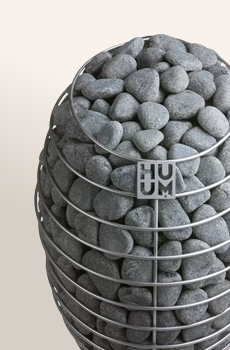
Image Credit: HUUM
Tailoring Duration to Your Health Goals
Different wellness objectives require different approaches to session length. Here's how to optimise your sauna time based on what you're trying to achieve.
Relaxation and Stress Relief
Optimal duration: 15-20 minutes.
If you're using your home sauna primarily for mental well-being and stress reduction, moderate sessions work beautifully. The heat triggers endorphin release and activates the parasympathetic nervous system, your body's "rest and digest" mode.
Create a calming environment with proper sauna lighting, perhaps some gentle aromatherapy with sauna scents, and allow yourself to simply be present. Fifteen to twenty minutes is sufficient to achieve that blissed-out, tension-melted feeling without overdoing it.

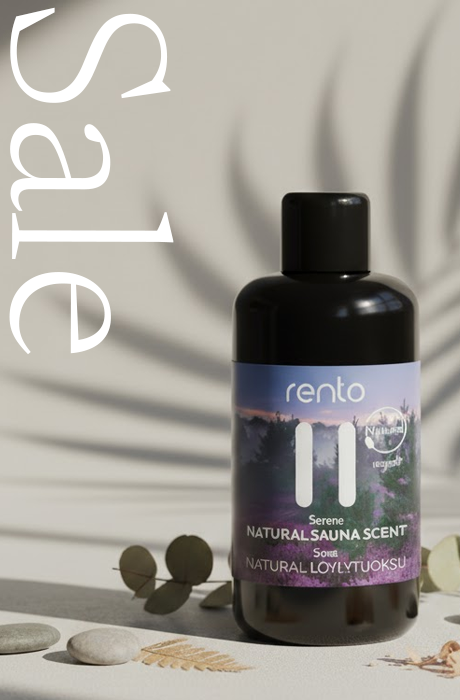
Image Credit: Rento
Cardiovascular Health Benefits
Optimal duration: 20-30 minutes, 4-7 times per week.
The landmark Finnish studies showing reduced cardiovascular mortality used sessions of 20 minutes or longer, conducted four to seven times per week. This duration and frequency elicit significant cardiovascular adaptations; your heart rate elevates, blood vessels dilate, and circulation improves in ways that mirror those of moderate aerobic exercise.
For cardiovascular benefits, consistency matters more than the length of individual sessions. Four 20-minute sessions per week will serve you better than one 60-minute marathon session. This is where having a quality sauna heater with reliable temperature control becomes essential.
Detoxification and Deep Sweating
Optimal duration: 25-30 minutes.
Deep, sustained sweating, the kind that promotes elimination of toxins through the skin, requires time to develop. Your sweat glands need about 10-15 minutes to fully activate, meaning shorter sessions barely scratch the surface.
For detoxification-focused sessions, plan for 25-30 minutes at a moderate temperature (75-85°C). Keep a sauna bucket and ladle nearby for periodic löyly, and bring plenty of water to maintain hydration. Many users keep a sauna thermometer visible to ensure consistent temperature.
Post-Workout Recovery
Optimal duration: 20-25 minutes.
If you're using your sauna for athletic recovery, to reduce muscle soreness, improve flexibility, and accelerate healing, aim for 20-25 minutes post-exercise. Research shows this duration enhances blood flow to fatigued muscles while stimulating the production of heat shock proteins that aid repair.
Wait 10-15 minutes after your workout to allow your heart rate to normalise before entering the sauna. The combination of recent exercise and heat can drive powerful adaptation, but only if approached sensibly. Consider adding a sauna headrest for comfort during these longer recovery sessions.
Frequency Recommendations: How Often Should You Sauna?
Duration and frequency work in tandem. Here's what the research suggests:
2-3 times per week: Minimum frequency for experiencing meaningful health benefits. Good for beginners, building tolerance.
4-5 times per week: Optimal frequency according to Finnish studies. This is where cardiovascular benefits, immune support, and longevity markers become most apparent.
Daily use: Generally safe for healthy individuals and may offer enhanced benefits, though listen to your body and take rest days if you feel fatigued.
The key is consistency over intensity. Regular 15-minute sessions will outperform sporadic 45-minute marathons in the long term.
Warning Signs: When to Exit Early
Regardless of your planned duration, you should immediately exit your sauna if you experience:
-
Dizziness or lightheadedness.
-
Nausea or feeling faint.
-
Rapid, irregular heartbeat.
-
Difficulty breathing.
-
Severe headache.
-
Confusion or disorientation.
-
Excessive weakness.
These symptoms suggest your body is struggling with the heat load. Don't push through them. Exit the sauna, cool down gradually, and rehydrate. If symptoms persist, seek medical attention.
Remember: there's no prize for suffering through discomfort. The most beneficial sauna session is one that feels challenging but manageable, not punishing.

Image Credit: HUUM
Building Heat Tolerance: A Gradual Progression
Your body's capacity for heat adapts remarkably well with consistent exposure. Here's how to safely build tolerance over time:
-
Week 1-2: 5-8 minutes at 70-75°C, 2-3 times per week.
-
Week 3-4: 10-12 minutes at 70-75°C, 3-4 times per week.
-
Week 5-8: 12-18 minutes at 75-80°C, 3-4 times per week.
-
Week 9-12: 18-25 minutes at 75-85°C, 4-5 times per week.
-
Month 4+: 20-30 minutes at 75-90°C, 4-7 times per week.
This progression assumes you're a healthy adult with no cardiovascular conditions. Always consult your doctor before beginning a sauna routine, particularly if you have any health concerns.
Session Structure: Single vs. Multiple Rounds
There are two main approaches to structuring your sauna time, each with distinct benefits.
Single Continuous Session
This straightforward approach involves one unbroken period in the sauna—perhaps 20 minutes at a steady temperature. It's simple, effective, and ideal for those with limited time. Continuous heat exposure causes steady cardiovascular stress and deep, sustained sweating.
Single sessions work particularly well in home saunas where you control your environment completely. Set your sauna heater controller to your target temperature, settle in, and enjoy uninterrupted relaxation.
Multiple Shorter Rounds (The Traditional Finnish Method)
Many sauna enthusiasts prefer the traditional approach: alternating rounds of heat exposure with cooling periods. A typical pattern might be:
-
Round 1: 10-12 minutes in the sauna.
-
Cool down: 5-10 minutes (cool shower, outdoor air, or cold plunge)
-
Round 2: 10-15 minutes in the sauna.
-
Cool down: 5-10 minutes.
-
Round 3 (optional): 8-12 minutes in the sauna.
-
Final cool down and rest.
This method offers several advantages. The cooling periods allow your heart rate to recover, making the overall experience more sustainable. The contrast between hot and cold has its own therapeutic benefits, improving circulation and creating an invigorating effect that many find more energising than a single session.
The multi-round approach also makes sense from a practical standpoint if you're sharing your outdoor sauna cabin with family or friends. It naturally builds in social breaks and prevents anyone from overheating.
Practical Tips for Optimising Your Session
Hydration Protocol: Drink 250-500ml of water 30 minutes before your session, keep water accessible during (a sauna bucket isn't just for löyly), and rehydrate thoroughly afterwards. You'll lose 0.5-1 litre of fluid through sweating in a typical 20-minute session.
Monitor Your Environment: Keep a reliable thermometer and hygrometer in your sauna to track conditions. Aim for 70-90°C depending on your preference and experience level.
Use a Timer: Even experienced users benefit from a sauna sand timer; it's too easy to lose track of time in the meditative heat.
Post-Session Care: After exiting, cool down gradually. A lukewarm shower followed by rest is ideal. Avoid jumping immediately into ice-cold water unless you're accustomed to contrast therapy. Replace lost electrolytes after an intense session.
Seasonal Adjustments: In summer, you might prefer slightly cooler temperatures and shorter sessions. In winter, longer sessions in your well-insulated outdoor sauna feel particularly restorative.
Special Considerations
First-Time Users After Installation
If you've just had a bespoke sauna installation or assembled your DIY sauna kit, resist the temptation to dive into long sessions immediately. The excitement of a new sauna can lead to overambitious first attempts. Start conservatively—your sauna will be there tomorrow and next week, and next year.
Different Sauna Types
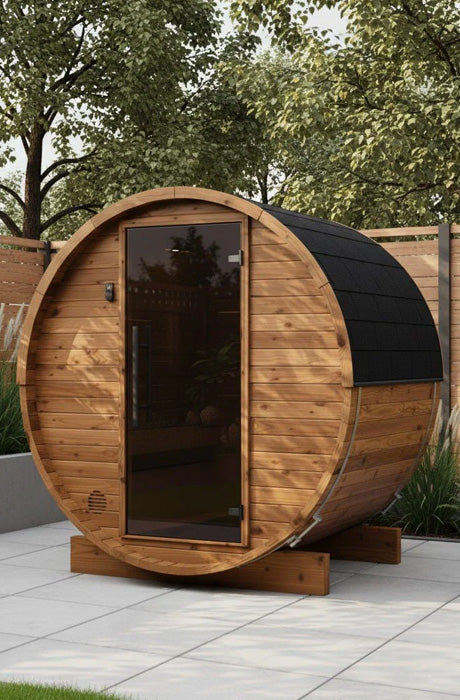
Barrel saunas and cube saunas heat efficiently due to their compact design, often reaching target temperatures faster than larger cabins. This efficiency means you might reach your comfort limit slightly sooner than in a spacious cabin sauna.
Wood-Burning vs. Electric
Wood-burning heaters create a different heat quality than electric heaters, often described as softer and more enveloping. Some users find they can comfortably stay longer with wood heat, though temperature and duration guidelines remain the same.
Creating Your Personal Sauna Routine
The beauty of having a home sauna, whether it's a compact indoor sauna or a stunning garden retreat, is the freedom to experiment and find what works for your body, schedule, and wellness goals.
Start with the guidelines in this article, but pay attention to how you feel during and after sessions. Keep a mental (or actual) log of what works: temperature, duration, frequency, time of day. Over weeks and months, patterns will emerge.
Some people thrive on morning saunas that energise their day. Others prefer evening sessions that promote deep sleep. Some love intense heat and brief exposures; others favour moderate temperatures and longer, meditative sessions. There's no single "correct" approach, only what serves your well-being.
If you're uncertain about the best approach for your specific health situation or goals, our sauna specialists can provide personalised guidance based on decades of experience.
Frequently Asked Questions
How long should I stay in a sauna for my first time?
Keep your first session brief—just 5 to 8 minutes at a moderate temperature (70-75°C). This allows your body to experience a heated environment without risking an overload. You can always return for a second short round if you feel comfortable, but it's better to underwhelm yourself initially than to create a negative first impression by overheating.
Is 30 minutes too long in a sauna?
For healthy adults with established heat tolerance, 30 minutes is generally safe and falls within the range used in health research studies. However, it's at the upper end of recommendations. Most benefits can be achieved in 15-25 minutes; staying longer increases the risk of dehydration. If you're regularly doing 30-minute sessions, ensure you're properly hydrated and watch for any signs of excessive stress on your system.
How long should I wait between sauna rounds?
Allow 5-10 minutes of cooling between rounds—enough time for your heart rate to return closer to baseline and for your body temperature to drop. The cooling period is an integral part of traditional Finnish sauna practice, not just a break. Some people are cool with a shower, others step outside for fresh air, and the particularly brave might use a cold plunge. Choose whatever feels restorative to you.
Can I use a sauna every day?
Daily sauna use is generally safe for healthy individuals and may even offer enhanced benefits, according to Finnish research. However, listen to your body. If you feel fatigued, notice performance decrements in workouts, or simply feel less enthusiastic about your sessions, take a day or two off. For most people, 4-7 sessions per week strikes the right balance between consistency and recovery.
What's better: one long session or multiple shorter rounds?
Both approaches are effective; the choice is largely a matter of personal preference. A single 20-25-minute session is time-efficient and produces sustained cardiovascular stress. Multiple shorter rounds (10-12 minutes each) with cooling breaks feel less intense, allow for better recovery, and align with traditional Finnish practice. Try both methods and see which you prefer.
How do I know if I'm staying too long?
Warning signs include dizziness, nausea, rapid or irregular heartbeat, difficulty breathing, severe headache, or feeling faint. These symptoms indicate you should exit immediately. More subtly, if you feel drained rather than energised after regular sauna use, or if you're dreading rather than looking forward to sessions, you might be overdoing duration or frequency.
Should sauna duration change with age?
Older adults often benefit from shorter, more frequent sessions rather than long single exposures. The cardiovascular stress of extended heat exposure increases with age, and thermoregulation becomes less efficient. If you're over 65, consider starting with 10-15 minute sessions and adjusting based on how you feel, always in consultation with your doctor.
Does session length differ for barrel saunas vs. cabin saunas?
The principles remain the same, though barrel saunas heat more quickly and efficiently due to their compact, rounded design. You might find that you reach your personal comfort threshold slightly sooner in a barrel sauna than in a larger cabin at the same temperature. The key is to go by how you feel rather than the type of sauna; your body's signals are the ultimate guide.
How long after eating should I wait before using the sauna?
Wait at least 30-60 minutes after a meal before sauna bathing. A full stomach diverts blood flow to digestion, and the sauna's heat demands significant cardiovascular work. The combination can leave you feeling uncomfortable, nauseous, or dizzy. A light snack is fine, but avoid heavy meals immediately before using the sauna.
What's the minimum session length to get health benefits?
Research suggests that even brief sessions of 10-15 minutes can provide benefits, particularly when done consistently several times per week. However, many of the more robust effects, particularly for cardiovascular health, emerge with sessions of 15-20 minutes or longer. If you only have time for shorter sessions, focus on frequency: four 12-minute sessions per week will serve you better than one 30-minute session.
**The wellness practices and health considerations described in this literature are based on traditional Finnish sauna culture, peer-reviewed studies, and our ten years of experience serving thousands of customers.
However, individual responses to sauna bathing vary significantly. Finnmark Sauna Ltd makes no claims regarding specific health outcomes, therapeutic benefits, or physiological effects you may or may not experience from sauna use. The information provided is educational in nature and should not be considered medical advice. Sauna bathing may not be suitable for everyone. We strongly recommend consulting your GP or healthcare provider before beginning any sauna practice, particularly if you are pregnant, have cardiovascular conditions, respiratory issues, or other health concerns.
Listen to your body. Exit the sauna if you feel dizzy, nauseous, or uncomfortable. Hydrate appropriately. Never use a sauna while under the influence of alcohol or medication that affects perspiration or circulation.**


