














Can a Sauna Help You Sleep Better? What the Research Shows
Poor sleep is one of the most common complaints in the UK. Whether it is difficulty falling asleep, waking throughout the night, or simply not feeling rested in the morning, millions of people are searching for a natural, sustainable solution. And increasingly, the answer they are finding is one that has existed for thousands of years: the traditional Finnish sauna.
A growing body of peer-reviewed research confirms what sauna cultures across Finland and the Nordic countries have long understood intuitively: that regular heat bathing supports deeper, more restorative sleep. In this guide, we explore the science behind sauna and sleep, share practical advice on how to make the most of your sessions, and explain why a home sauna might be the most effective addition to your evening routine.
Why Sleep Matters: And Why So Many of Us Struggle
Before exploring the sauna's role in sleep, it is worth understanding why sleep quality matters so profoundly. Sleep is not passive rest. During deep sleep stages, the body carries out essential repair and regeneration: muscle tissue is rebuilt, immune function is reinforced, stress hormones are regulated, and memories are consolidated. Chronic poor sleep has been linked to increased risk of cardiovascular disease, anxiety, weight gain, and impaired cognitive function.
In the UK, approximately one in three people suffer from poor sleep, according to data from The Sleep Council. The causes are varied: stress, screen exposure, irregular routines, and the difficulty of switching off from daily demands all play a role. This is precisely where the sauna presents a compelling, evidence-backed alternative to medication or supplements.
How a Traditional Sauna Supports Sleep: The Science
The Core Temperature Drop Mechanism
The primary reason sauna bathing supports sleep is rooted in basic physiology. When you spend time in a traditional Finnish sauna, typically operating between 70°C and 110°C, your core body temperature rises significantly. Once you step out, your body begins to cool rapidly.
This cooling process is critical. A natural drop in core temperature is one of the body's primary signals that it is time to sleep. Research published in the journal Sleep Medicine Reviews has confirmed that body temperature regulation is closely tied to sleep onset, and that an elevated-then-rapid-drop in core temperature accelerates the transition into sleep (Okamoto-Mizuno & Mizuno, 2012).
By artificially inducing this temperature rise and subsequent drop through sauna bathing, you can effectively prime the body for sleep in a way that mirrors its natural pre-sleep physiology.

Melatonin Production
As your core temperature falls after leaving the sauna, the body interprets this cooling as an environmental cue for night. In response, the pineal gland begins producing melatonin, the hormone responsible for regulating the sleep-wake cycle. This melatonin boost helps you fall asleep faster and can enhance the quality and depth of sleep, particularly the slow-wave deep sleep phases that are most restorative.
Oura, the wearable health technology company, analysed data from over 75,000 members who tagged sauna sessions and found that users recorded, on average, 14.9% more deep sleep in the night following a sauna session compared to nights without one. While this is observational rather than clinical data, it represents one of the largest real-world data sets available on the topic and points consistently in the same direction.
Cortisol Reduction and the Stress Response
Stress and elevated cortisol are among the most disruptive forces acting on sleep. When cortisol, the body's primary stress hormone, remains elevated into the evening, it suppresses melatonin production and keeps the nervous system in an activated, vigilant state.
A study by Podstawski and colleagues (2021) found that repeated sauna sessions, specifically four rounds of twelve minutes each interspersed with cool-down periods, produced a statistically significant reduction in baseline cortisol levels in participants. The implication is clear: regular sauna use does not merely relax you in the moment; it actually recalibrates the body's long-term stress response, making it easier to wind down and sleep deeply on a consistent basis.
This is one of the more compelling findings in sauna research, because it addresses the root cause of many sleep difficulties rather than simply masking them.

Serotonin, Endorphins, and Mood Regulation
The heat of a traditional Finnish sauna stimulates vasodilation, the widening of blood vessels, which in turn triggers the release of serotonin and beta-endorphins. Serotonin is both a mood-regulating neurotransmitter and a direct precursor to melatonin. An evening sauna session, therefore, creates a biochemical cascade that begins with relaxation and ends with sleep-readiness.
Studies including work by Kukkonen-Harjula and Kauppinen (1988) and Vescovi et al. (1992) have documented elevated endorphin levels following sauna sessions, which partly explains the profound sense of calm and well-being that experienced sauna bathers consistently report. It is not simply the heat; it is the physiological response to the heat that makes the experience genuinely therapeutic.
The Mindfulness Effect: Enforced Screen-Free Time
There is a further, often overlooked dimension to sauna's benefit for sleep: the enforced removal from screens and stimulation. One of the most well-established contributors to poor sleep is blue light exposure from phones, tablets, and televisions in the evening. Blue light suppresses melatonin production directly and keeps the brain in an alert, engaged state.
A sauna session of thirty to forty-five minutes is, by its nature, a screen-free, distraction-free experience. Many sauna users describe it as the only period of genuine mental stillness in their day, a form of active mindfulness that clears the mental backlog of the day's demands. This psychological reset, combined with the physiological changes described above, creates conditions that are highly conducive to restful sleep.

What the Studies Say: A Summary of the Evidence
The body of research on sauna and sleep, while not yet as extensive as it will eventually be, is consistently encouraging. Key findings include:
A global sauna survey published in Complementary Therapies in Medicine (Hussain, Greaves & Cohen, 2019) surveyed over 3,600 sauna users across more than 100 countries. A striking 83.5% of respondents reported improved sleep following sauna sessions. This is one of the most widely cited statistics in the field and underscores the consistency of the subjective experience across different cultures, ages, and sauna types.
Research published in Sleep Medicine Reviews specifically identified that warm bathing in the one to two hours before bedtime was associated with accelerated sleep onset and improved sleep quality, with the mechanism attributed to the post-bath core temperature drop (Haghayegh et al., 2019).
The British Sauna Society has noted that regular sauna users who bathe five to fifteen times per month report greater general mental well-being and consistently better sleep compared to infrequent users, citing multiple peer-reviewed sources on the topic.
Practical Guidance: How to Use Your Sauna for Better Sleep
Timing Your Session
The research points to a clear optimal window. Sauna bathing approximately ninety minutes to two hours before your intended sleep time allows your body temperature to rise and then fall in a way that is naturally synchronised with your sleep cycle. Going to bed immediately after a session, while your core temperature is still elevated, may actually delay sleep onset.
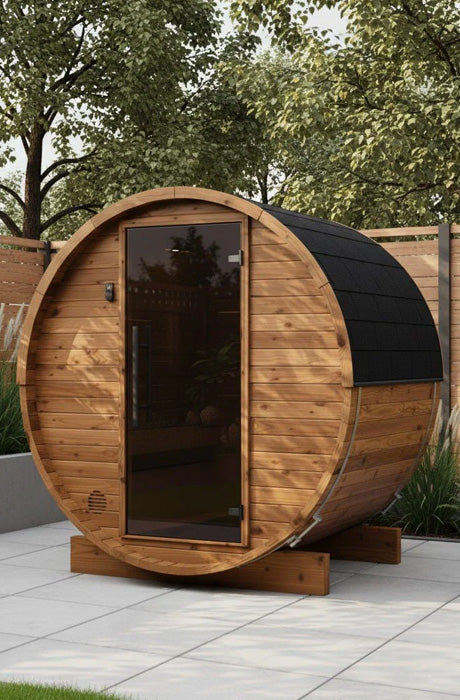
If you have a barrel sauna, outdoor sauna cabin, or indoor home sauna, making the evening session part of a consistent wind-down routine will compound the benefits over time. Consistency is key; the cortisol-regulating effects, in particular, build with regular use.
Session Length and Temperature
For sleep specifically, shorter to moderate sessions tend to be more beneficial than extended, intense ones. The research by Haghayegh et al. suggests sessions of around fifteen to thirty minutes at standard Finnish sauna temperatures are well-suited to the purpose. Extremely long or very high-temperature sessions can place additional cardiovascular stress on the body that may counteract the relaxing effect.
Starting with fifteen minutes at around 75°C to 85°C is a sensible approach for most adults, particularly those new to evening sauna bathing. Your sauna heater will typically reach temperature within thirty to forty-five minutes, so factor this into your planning to ensure you are bathing at the right time within your evening.
A sauna thermometer is a simple but worthwhile addition to your space, allowing you to monitor and maintain a consistent environment session to session.
The Löyly Ritual and Relaxation
One of the most distinctive elements of traditional Finnish sauna bathing is löyly, the steam produced when water is poured over the hot sauna stones. Beyond its physiological effects, the ritual of löyly encourages a deliberate, meditative pace. The act of ladling water over the stones, breathing in the steam, and sitting quietly as the heat rises is inherently contemplative.
Pairing your session with sauna scents and essential oils, with eucalyptus, pine, and birch being traditional choices, can deepen the relaxation response and make the wind-down ritual even more effective. Explore our full range of sauna accessories, including authentic Nordic buckets and ladles, to enhance your evening sessions.

Hydration
Sauna bathing induces significant sweating, and dehydration can itself disrupt sleep quality by causing the body to remain in a mild state of physiological stress overnight. Drinking water before and after your session, and avoiding alcohol in the hours surrounding it, is essential. The traditional Finnish saying holds that the liquid lost in the sauna should be replaced with water, not alcohol. This is not merely cultural wisdom; it is physiologically sound advice.
Cooling Down Properly
After your sauna session, allow yourself to cool gradually before sleeping. A gentle rinse with cool (not cold) water, time sitting outdoors if the weather permits, or simply resting in a cool room allows the body's temperature regulation to complete the process naturally. This cool-down phase is an integral part of the sauna ritual rather than an afterthought.
Why a Home Sauna Changes Everything
There is a meaningful difference between visiting a public sauna and having one at home. The home sauna transforms the experience from an occasional treat into a consistent, sustainable routine, and it is this routine that unlocks the long-term sleep and wellness benefits.
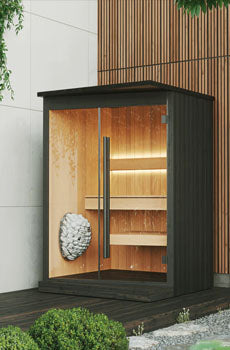
Whether you choose a traditional barrel sauna for your garden, one of our outdoor sauna cabins such as the EDEN or IGNIS range, or a fully bespoke indoor sauna installation, having direct access to your sauna means you can integrate it into your evening in the same way you might a bath or a period of reading. That regularity is what drives the compounding improvements in sleep quality that research and user experience consistently support.
At Finnmark, we are the UK's first "Sauna from Finland" certified retailer, and our team of specialists is on hand to help you find the right sauna for your home, lifestyle, and wellness goals. You can also use our sauna heater buyer's guide to understand which heating solution suits your space.
If you are ready to explore what a home sauna could do for your sleep and your wider wellbeing, book a free consultation with our team today.

Frequently Asked Questions
How long before bed should I use the sauna?
Research suggests that the optimal window is approximately ninety minutes to two hours before your intended sleep time. This allows your core body temperature to rise during the session and fall back towards normal before you get into bed, which is the mechanism that helps trigger melatonin production and sleep onset.
How long should a sauna session be if I want to improve my sleep?
For sleep specifically, sessions of around fifteen to thirty minutes at standard sauna temperatures (75°C to 90°C) appear most beneficial. Very long sessions or extremely high temperatures can place additional stress on the cardiovascular system, which may counteract the relaxing effect you are aiming for. As with any wellness practice, listening to your body is important.
How often do I need to use the sauna to see sleep benefits?
The evidence suggests that even a single sauna session can have a positive short-term effect on sleep quality for many people. However, the more significant and consistent benefits, particularly the cortisol-regulating effects that improve baseline sleep quality, develop with regular use. Aiming for two to four sessions per week is a reasonable starting point.
Does it matter what type of sauna I use?
This article focuses specifically on traditional Finnish saunas, which operate at higher temperatures with lower humidity, with the option to add steam via löyly. The depth of clinical research behind traditional sauna bathing is unmatched, with large-scale longitudinal Finnish studies providing the most robust evidence base in the field.
Can I use the sauna every evening?
Many Finnish people use a sauna daily as part of their regular routine, and there is no established evidence that daily sauna use is harmful for healthy adults. However, as with any health practice, it is advisable to consult your GP if you have underlying cardiovascular conditions, are pregnant, or are taking medication that affects your body's response to heat.
Will sauna use help if I have chronic insomnia?
The research on sauna and sleep is broadly positive and consistent, but it is important to understand that sauna bathing is a wellness practice and complementary tool, not a medical treatment for clinical insomnia. If you are experiencing severe or prolonged sleep difficulties, please consult a qualified healthcare professional. Sauna may be a helpful part of a broader sleep hygiene approach, but it should not replace medical advice or treatment where that is needed.
What is the best sauna for home use and sleep?
Any traditional Finnish sauna, whether a barrel sauna, outdoor sauna cabin, prefabricated indoor sauna, or bespoke installation, can support better sleep when used correctly. The most important factors are that you use it consistently, at the right time in your evening, and at a comfortable temperature. Browse our full range of home saunas or get in touch for a free consultation.
Scientific References
- Okamoto-Mizuno, K. & Mizuno, K. (2012). Effects of thermal environment on sleep and circadian rhythm. Journal of Physiological Anthropology, 31(1), 14. https://doi.org/10.1186/1880-6805-31-14
- Haghayegh, S., Khoshnevis, S., Smolensky, M.H., Diller, K.R. & Castriotta, R.J. (2019). Before-bedtime passive body heating by warm shower or bath to improve sleep: A systematic review and meta-analysis. Sleep Medicine Reviews, 46, 124–135. https://doi.org/10.1016/j.smrv.2019.04.008
- Hussain, J.N., Greaves, R.F. & Cohen, M.M. (2019). A hot topic for health: Results of the Global Sauna Survey. Complementary Therapies in Medicine, 44, 223–234. https://doi.org/10.1016/j.ctim.2019.03.012
- Podstawski, R., Borysławski, K., Clark, C.C.T., Choszcz, D., Finn, K.J. & Gronek, P. (2021). Correlations between repeated use of dry sauna for 4 × 10 minutes, physiological parameters, anthropometric features, and body composition in young sedentary and overweight men: Health implications. BioMed Research International, 2021, 6611767. https://doi.org/10.1155/2021/6611767
- Kukkonen-Harjula, K. & Kauppinen, K. (1988). How the sauna affects the endocrine system. Annals of Clinical Research, 20(4), 262–266.
- Vescovi, P.P., Gerra, G., Pioli, G., Pedrazzoni, M., Maninetti, L. & Passeri, M. (1992). Circulating opioid peptides during thermal stress. Hormone Research, 37(6), 225–228. https://doi.org/10.1159/000182358
- British Sauna Society. (2023). Sauna and mental wellbeing. https://www.britishsaunasociety.org.uk/news/sauna-and-mental-wellbeing
- Oura Health. (2025). Sauna health benefits and Oura member data. The Pulse Blog. https://ouraring.com/blog/sauna-health-benefits/
Disclaimer
The information provided in this article is intended for general educational and informational purposes only. Finnmark Sauna has made every effort to ensure the accuracy of the content referenced herein; however, individual responses to sauna use vary significantly depending on personal health, fitness level, age, medical history, and the nature of each sauna session. The sleep benefits described in this article are supported by published research, but cannot be guaranteed for every individual. Results will differ from person to person.
This article does not constitute medical advice and should not be used to diagnose, treat, or manage any health condition, including sleep disorders or insomnia. Always consult a qualified healthcare professional or your GP before beginning any new wellness practice, particularly if you have an underlying health condition, are pregnant, have a cardiovascular condition, or are currently taking medication. Finnmark Sauna cannot be held responsible for any adverse outcomes arising from the use of information contained within this article.


